
India's Decision on Indus Waters Treaty Uninformed by World Bank
India’s Decision on Indus Waters Treaty Uninformed by World Bank
When it comes to water management and international treaties, the stakes are high, and decisions can have significant implications for the countries involved. One such example is the Indus Waters Treaty, which governs the sharing of the waters of the Indus River system between India and Pakistan. Recently, India made a decision regarding this treaty without informing the World Bank, which acts as a mediator in water disputes between the two countries.
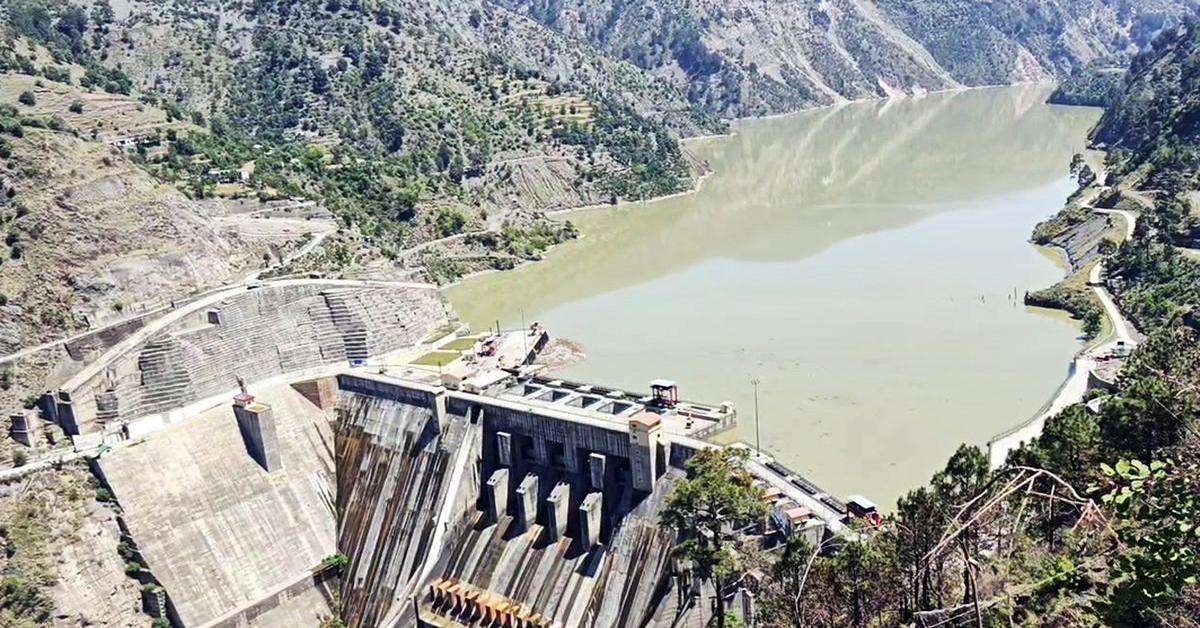
The World Bank plays a crucial role in the implementation and monitoring of the Indus Waters Treaty, ensuring that both India and Pakistan adhere to its provisions. However, in a surprising turn of events, India made a unilateral decision regarding one of its hydroelectric projects under the treaty without consulting the World Bank. This move has raised concerns about the future of water management in the region and the potential impact on the fragile relationship between India and Pakistan.
But what exactly is the Indus Waters Treaty, and why is it so important? The treaty, signed in 1960, delineates the rights and obligations of India and Pakistan regarding the use of the waters of the Indus River system. The treaty, brokered by the World Bank, divided the six rivers of the Indus basin between the two countries, with India gaining control over the eastern rivers (Ravi, Beas, and Sutlej) and Pakistan over the western rivers (Indus, Jhelum, and Chenab).
The treaty has been hailed as a successful example of water cooperation between two countries with a history of conflict. However, tensions over water sharing persist, with both India and Pakistan accusing each other of violating the treaty’s provisions. The recent decision by India to proceed with a hydroelectric project on one of the western rivers without informing the World Bank has further escalated these tensions and raised questions about the future of water management in the region.
So, why did India make this decision without consulting the World Bank? While the exact reasons behind the move are unclear, it seems that India was looking to assert its sovereignty over its water resources and expedite the development of its hydroelectric projects. However, this decision has not gone down well with Pakistan, which has raised objections to the project and called for World Bank intervention to resolve the dispute.
The situation highlights the complex nature of water management in shared river basins and the challenges of balancing the needs of multiple stakeholders. The Indus Waters Treaty serves as a framework for cooperation between India and Pakistan, but it is not without its flaws and limitations. The recent events show that there is a need for greater transparency and communication between the countries and the World Bank to prevent further escalation of water disputes.
In conclusion, the recent decision by India to proceed with a hydroelectric project on the Indus River system without informing the World Bank has raised concerns about the future of water management in the region. The Indus Waters Treaty, while a commendable example of water cooperation between India and Pakistan, is facing challenges that require careful navigation and cooperation between the countries and the international community. Only through dialogue and collaboration can the two countries ensure sustainable and equitable water management in the shared river basin.
About The Author