
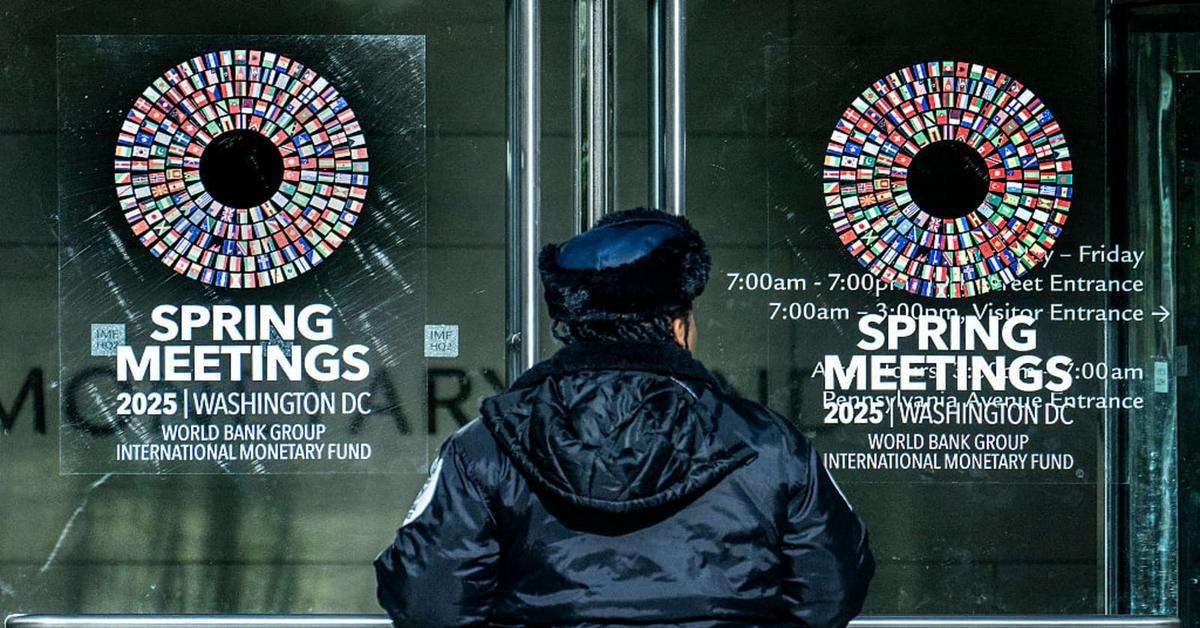
"IMF Slashes 2025 Growth Projections for Major Asian Economies"
Asia’s Economic Growth in 2025: A Closer Look at the IMF Projections
Ever wondered what’s happening under the hood of Asia’s biggest economies? And how these powerful countries keep their financial gears spinning smoothly even in the face of adversity? Well, recently, the International Monetary Fund (IMF) sketched a somewhat gloomier picture. The IMF revised its future growth forecasts downwards for some of Asia’s major economies. Let’s dissect what this means in real-world terms.
IMF Expected Growth in Major Asian Economies: What’s Changed?
The IMF – an international organization that monitors global economies and finances – tracks economic movements and pops up with occasional forecasts. In 2025, it’s expecting some changes in Asia’s economic landscape. So, you may be thinking, “Why should I care?” If you’re someone investing in Asian markets, or simply interested in how this impacts the global financial landscape, this news matters.
Is Projected Economic Growth Slowing Down?
Put simply, yes. The IMF lowered its growth projections for important Asian economies in 2025. Now, businesses, governments, and investors alike are adjusting their expectations. But what does that mean for the everyday person like you and me? Think about your local grocery store. If our economy isn’t growing as fast as we thought, it could mean prices rise more slowly. On the flip side, it could mean fewer jobs or slower wage increases. It’s a complex balancing act.
Unpacking the Factors Behind the Slowed Growth
Imagine organizing a party, and having to adjust your plans when some guests can’t make it. Just like that, economies often adjust based on changing circumstances, whether these are changes in politics, technology, or the world’s health. These factors have an impact, and the IMF’s projection alteration reflects such challenges facing Asia’s major economies.
Actionable Insights for Global audiences
Getting to Grips with the IMF
We can think of the IMF as our go-to financial managing friend who’s always reading up on economy trends and gives us investments advice, like whether it’s a good idea to buy a house or not. So, when the IMF’s tune changes, and it starts singing about slower growth, it’s definitely something to listen to. How about you? How does this information shape your understanding of the global economic landscape?
Key Takeaways
Always remember: Knowledge is power. The more we understand about the financial landscape, the better we can navigate through it. Although IMF has curtailed its predictions, the future is fluid, and economies can recover, sometimes even surpassing former appetites. So, let’s keep an eye on the horizons!
h3>Predictions Are a Tool, But Not a Crystal Ball
While economic forecasts are powerful tools, they’re not infallible. Think of it like a weather forecast. It can tell you the likeliest outcome based on current data, but it can’t guarantee exactly when the rain will start or stop. Hence, while the projections provide direction, they do not hold absolutes, igniting equal parts caution and optimism for the future.
Lesson? Stay Informed and Stay Flexible
So, the IMF’s change in tune is a wake-up call for all of us. Keeping an eye on these trends is crucial for understanding the global economic climate. Interested in more insights on world economics? Stay tuned for our future blogs on the topic!
Wrap Up
The ripples caused by the IMF’s revisions in growth forecasts for Asia’s powerhouses are huge, but they remind us of the energy and dynamism inherent in the world economy. Remember, while economic tides may ebb and flow, informed minds are the best ships to navigate them.
About The Author