
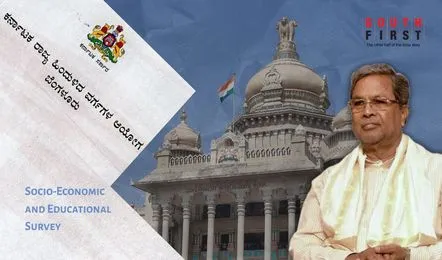
Understanding Karnataka's Controversial Caste Census Data in 2021
# Understanding Karnataka’s Controversial Caste Census Data in 2021
If you’ve been following the news in Karnataka recently, you’ve probably heard about the heated debates surrounding the state’s caste census data. But what does this disputed data really say? Let’s break it down in simple terms to understand the nuances and implications of this contentious issue.
## What is a Caste Census?
A caste census is a survey conducted to gather information about the social and economic status of different caste groups within a population. In Karnataka, the caste census data is a highly sensitive topic, with deep-rooted implications for social welfare policies, political representation, and equitable distribution of resources.
## The Controversy Surrounding Karnataka’s Caste Census Data
The recent release of Karnataka’s caste census data has sparked controversy and raised questions about its accuracy and implications. Critics argue that the data is flawed and incomplete, while others believe it is a step towards acknowledging and addressing social disparities within the state.
## Decoding the Disputed Data
The disputed data from Karnataka’s caste census provides insights into the distribution of various caste groups across the state. It highlights the disparities in terms of representation, access to resources, and socio-economic status among different communities.
### Key Findings from the Caste Census Data
– The data reveals the dominant presence of certain caste groups in key sectors such as education, healthcare, and employment.
– It also sheds light on the underrepresentation and marginalization of marginalized communities in these sectors.
– The data underscores the need for targeted interventions and policies to address the socio-economic disparities highlighted in the census.
## Implications for Social Welfare Policies
The contested caste census data has significant implications for the formulation and implementation of social welfare policies in Karnataka. It serves as a crucial tool for policymakers to identify vulnerable communities, allocate resources effectively, and address social inequalities.
### Ways to Address the Socio-Economic Disparities
– Implementing affirmative action programs to promote the inclusion and empowerment of marginalized communities.
– Strengthening the social welfare infrastructure to ensure equitable access to education, healthcare, and employment opportunities.
– Encouraging community-led initiatives and partnerships to address the root causes of social disparities.
## Conclusion: Moving Towards an Inclusive Society
In conclusion, understanding and interpreting Karnataka’s controversial caste census data is essential for promoting social cohesion, equity, and inclusion within the state. By acknowledging the disparities and challenges highlighted in the data, we can work towards building a more inclusive and equitable society for all.
As we navigate the complexities of caste dynamics and social disparities, let’s strive to create a future where every individual has equal opportunities, rights, and dignity. Together, we can build a more just and inclusive Karnataka for generations to come.
About The Author